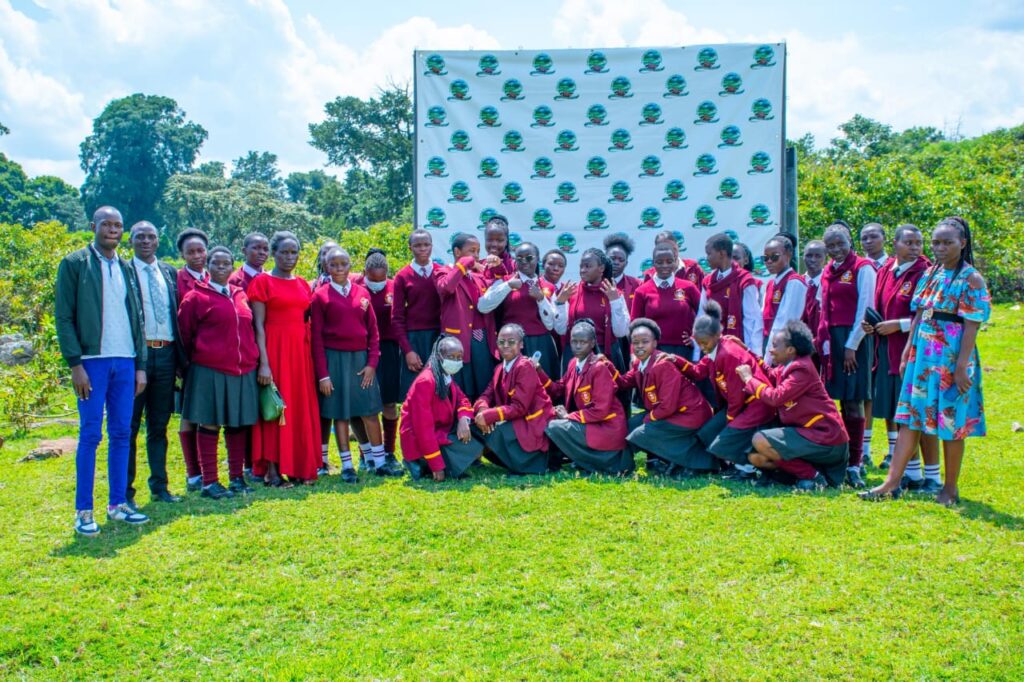
At the Kakamega Forest Heritage Foundation (KFHF), we believe that protecting Kenya’s last remaining tropical rainforest is a multigenerational mission — one that must begin in our classrooms and grow outward into our communities. That is why our partnership with St. Anne’s Group of Schools Kiminini stands as one of our most cherished and impactful collaborations.
A Partnership Built on Shared Purpose
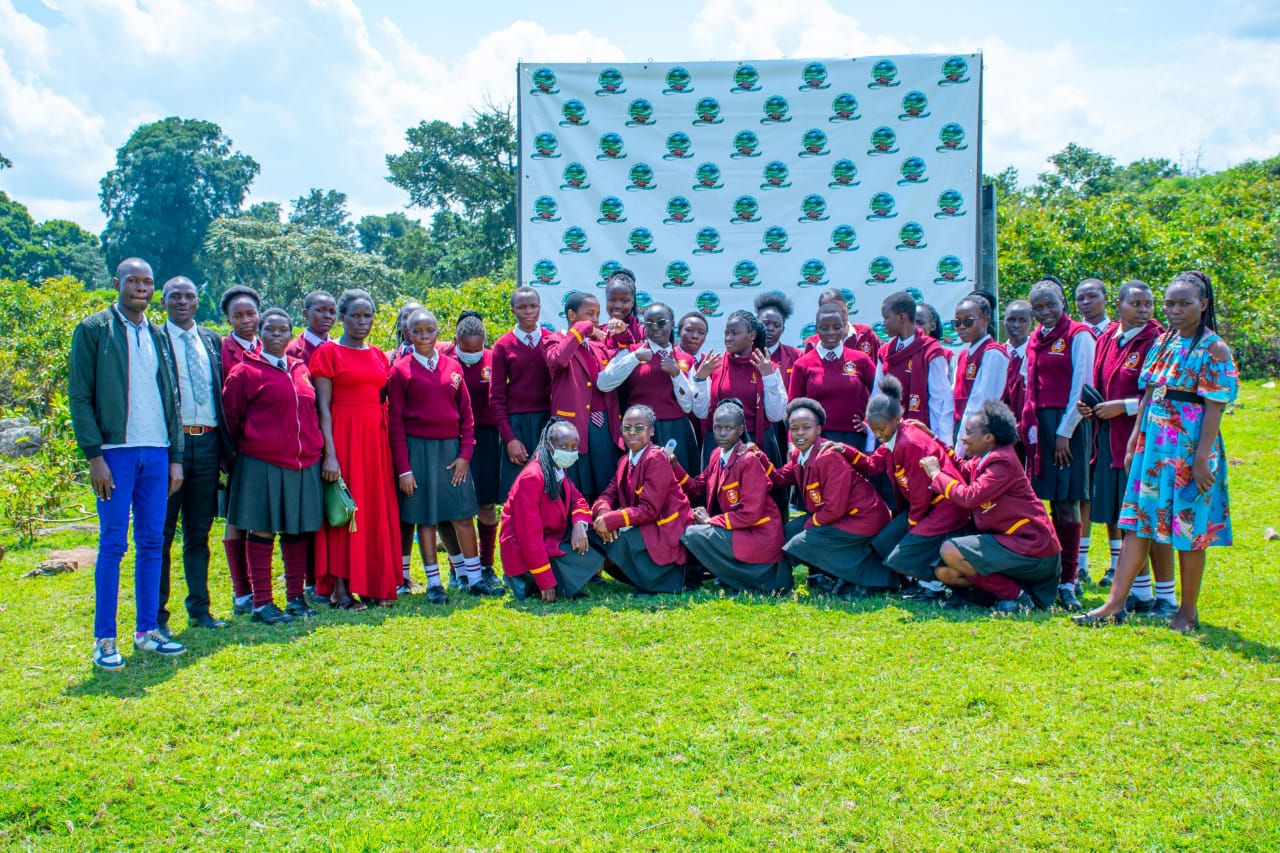
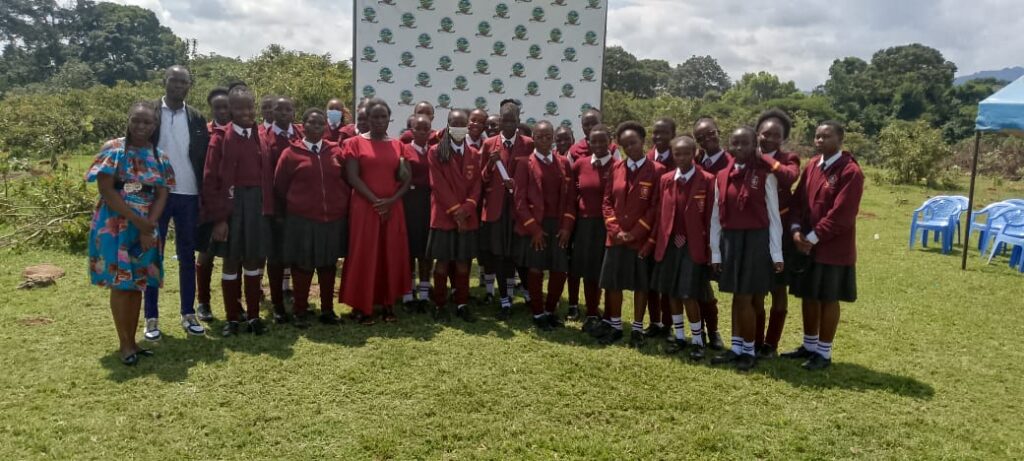
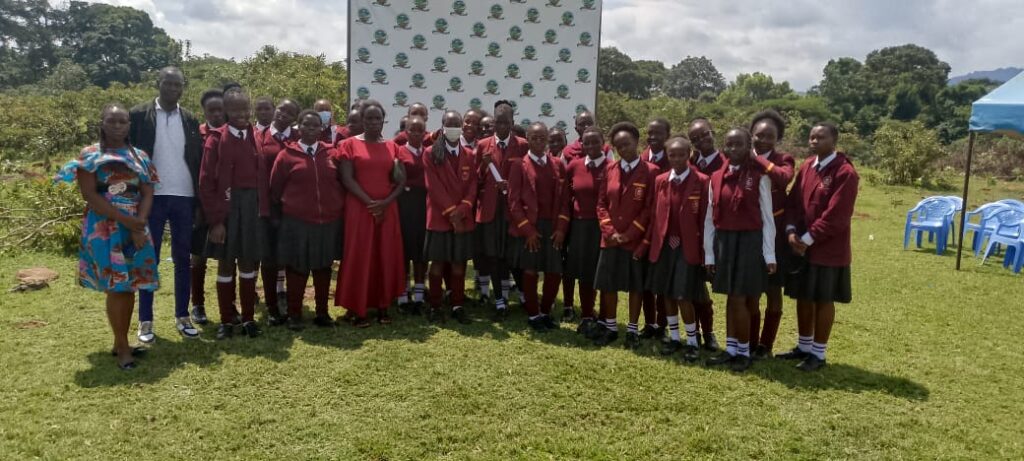
St. Anne’s Group of Schools Kiminini shares our conviction that environmental stewardship is not an abstract concept but a lived, hands-on practice. Together, KFHF and St. Anne’s have cultivated a partnership that brings students, educators, community members, and conservation authorities to the same ground — literally — to restore what the forest has lost.
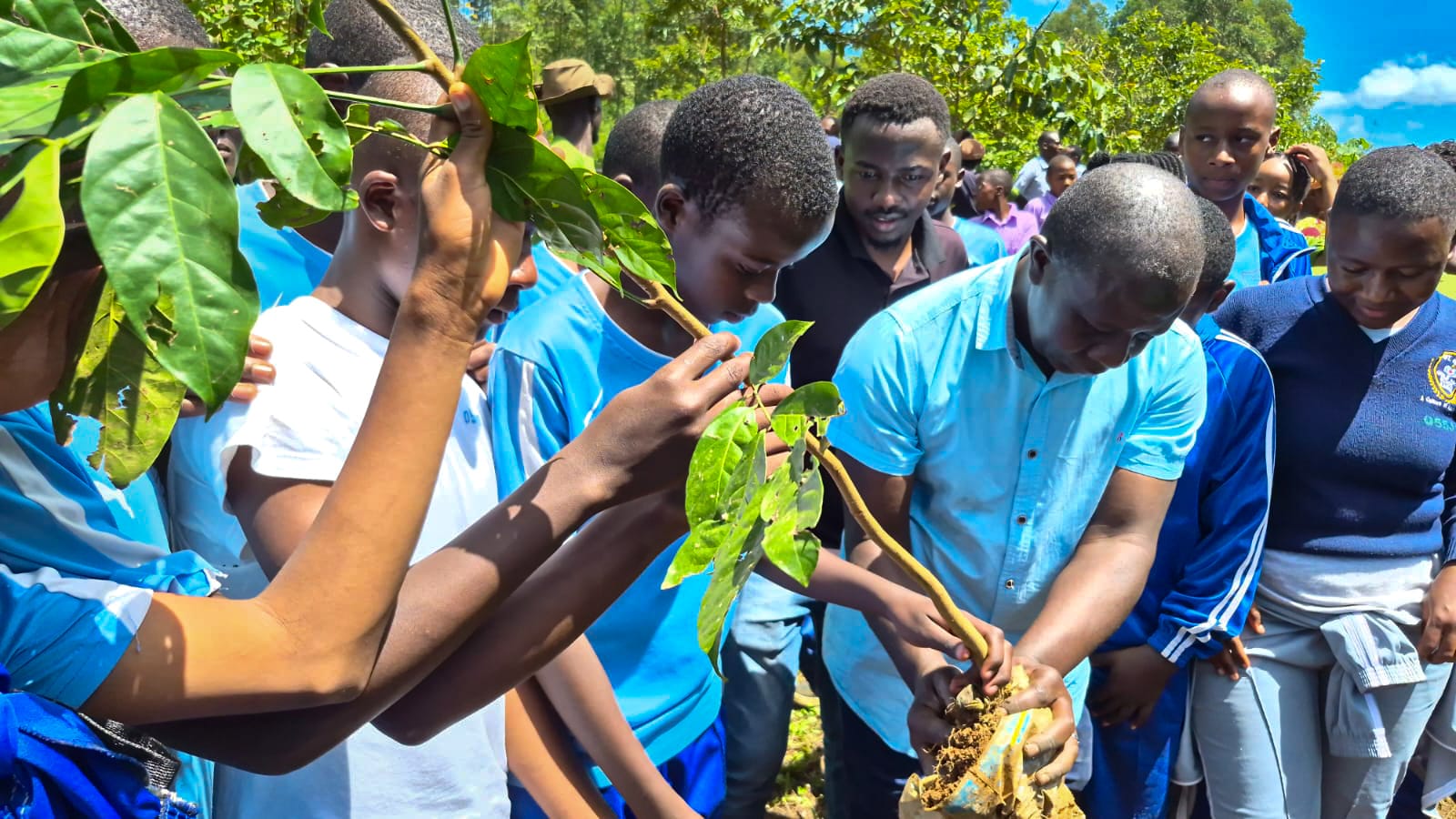
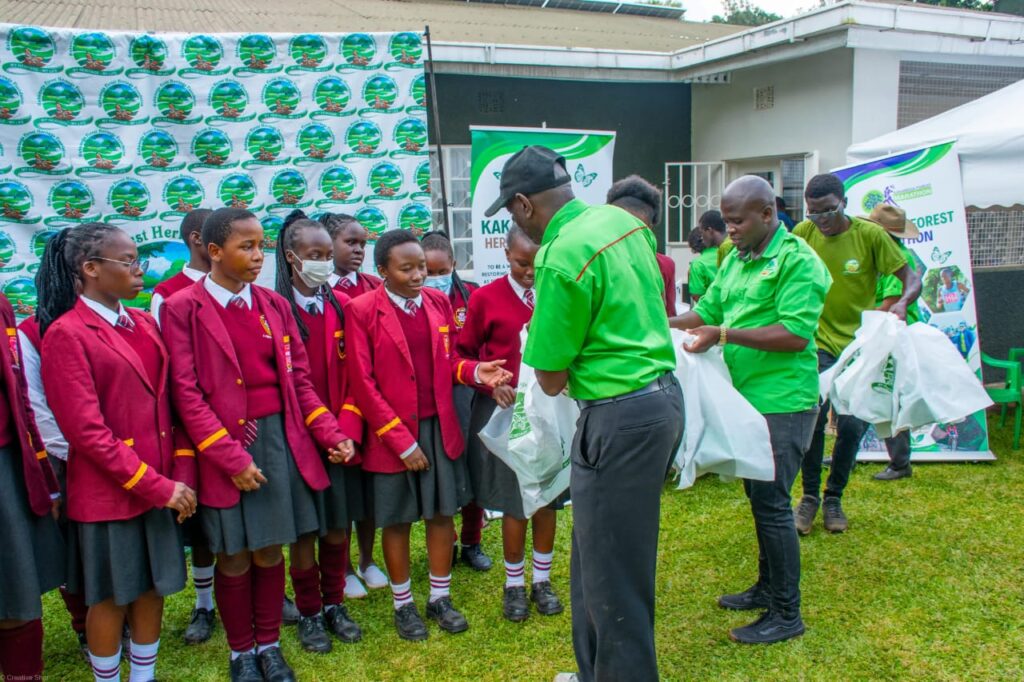
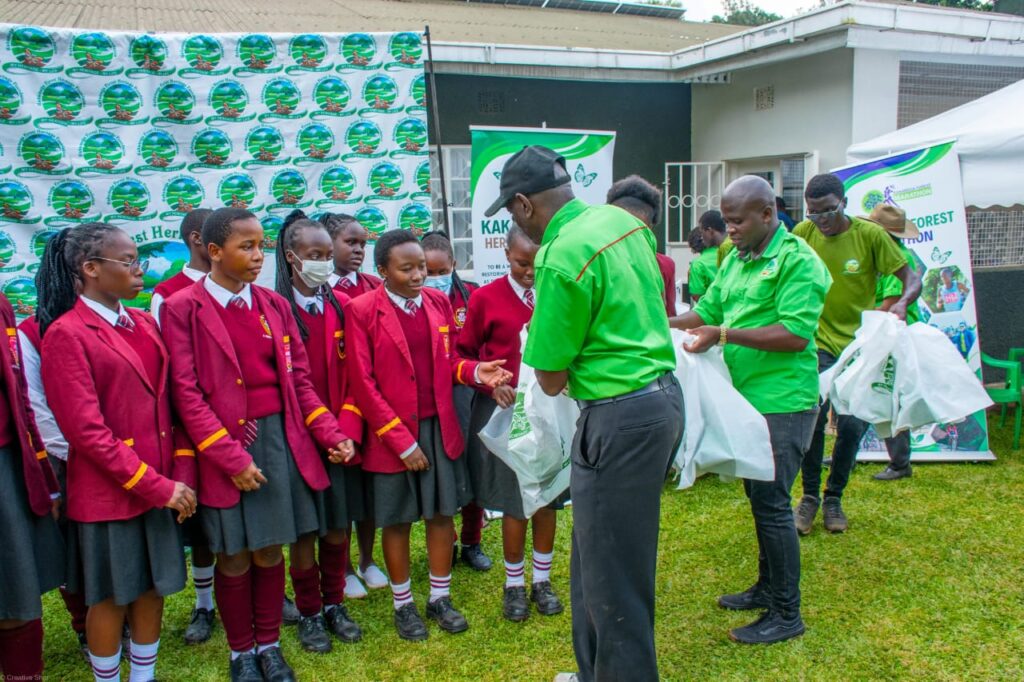
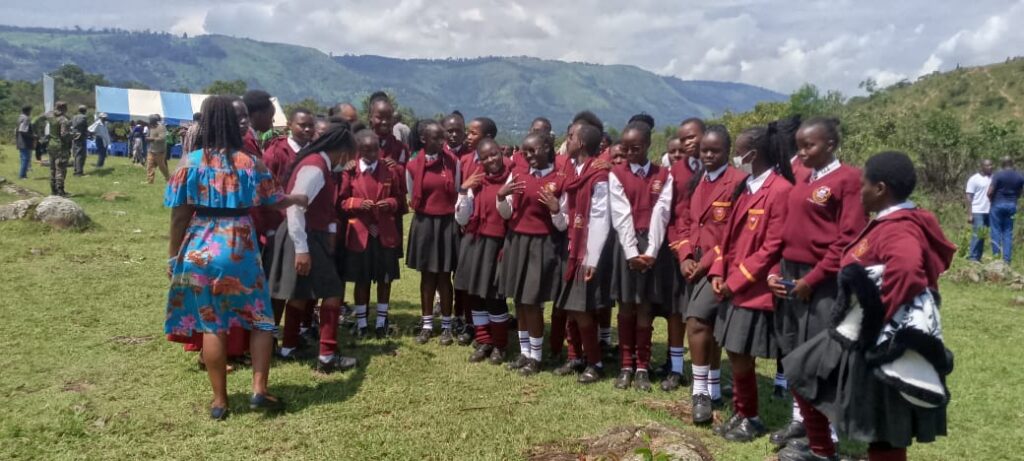
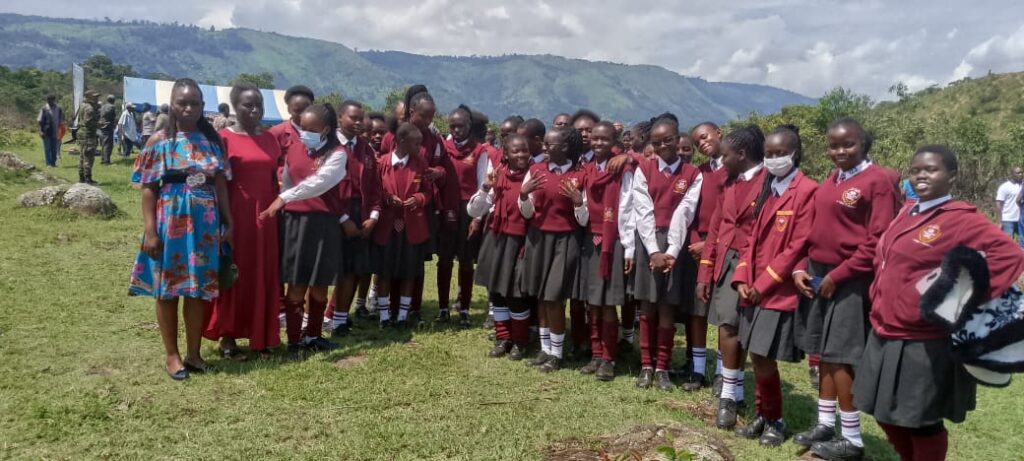
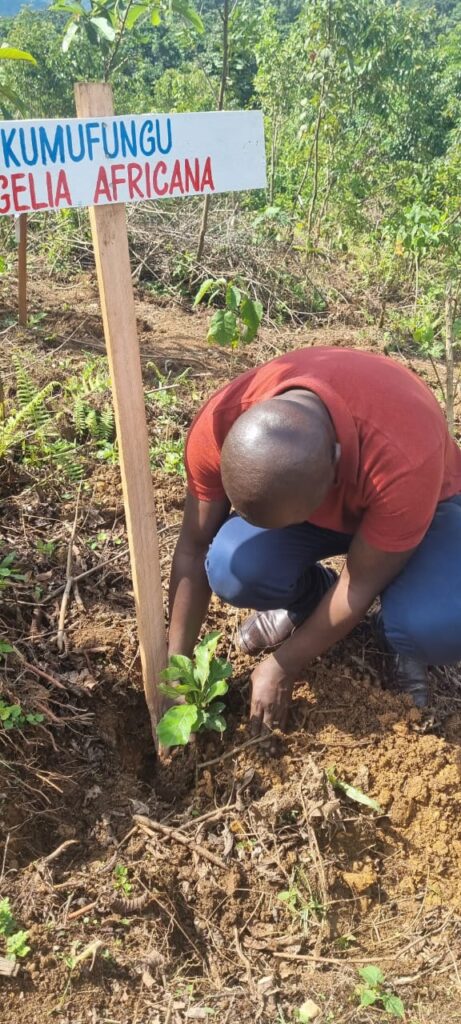
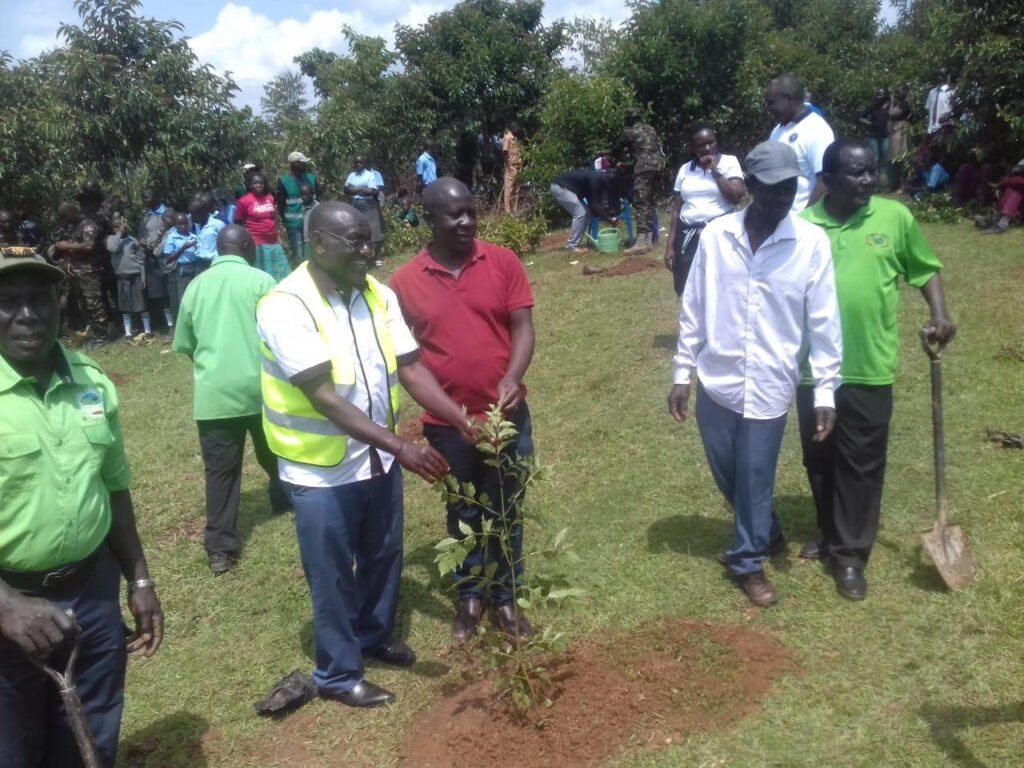
Our joint tree-planting activities are the heart of this collaboration. Students from St. Anne’s are not passive participants; they are active agents of change, carrying seedlings into open fields, learning the local and scientific names of indigenous species, and understanding why each tree they plant matters to the broader ecosystem of Kakamega Forest.
Students at the Forefront
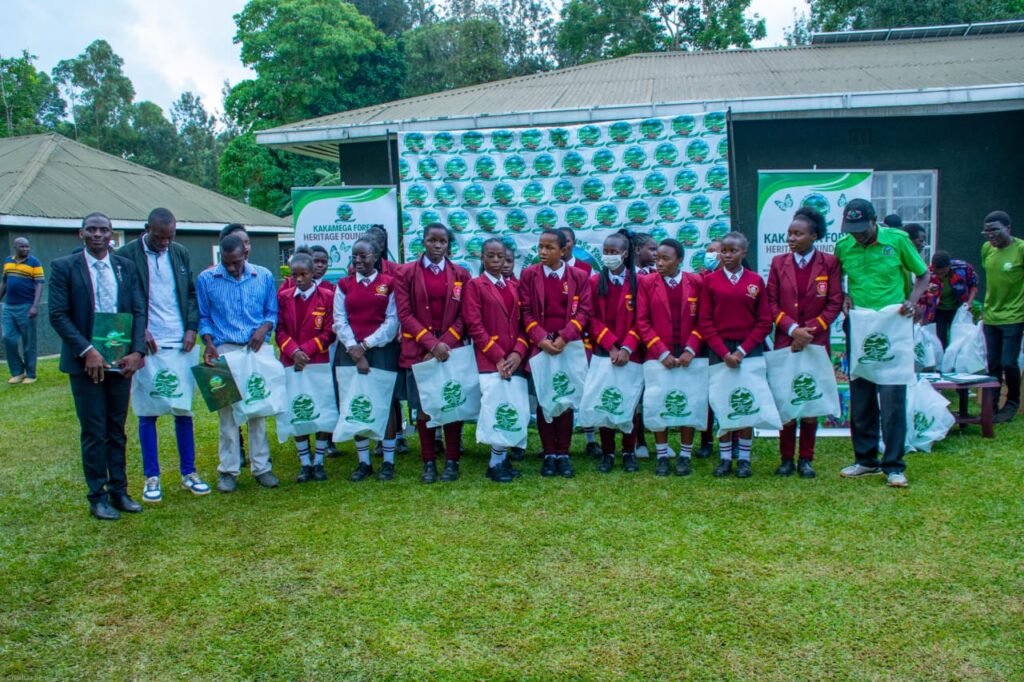
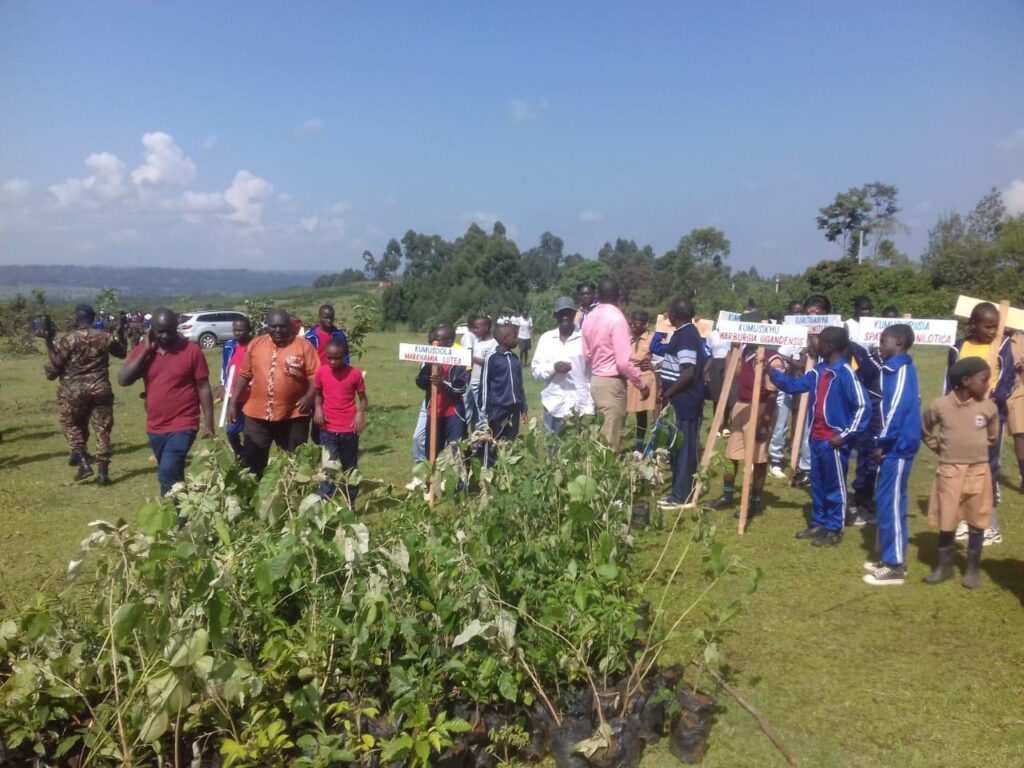
One of the most moving aspects of our partnership is watching young people take ownership of conservation work. During our joint tree-planting events, students arrive ready to work — carrying seedlings in their hands and purpose in their steps. They engage with labeled native species such as Markhamia lutea, Warburgia ugandensis, and Spathodea nilotica, connecting classroom learning to real ecological action.
This hands-on engagement is deeply aligned with KFHF’s mission to embed Traditional Ecological Knowledge (TEK) into conservation practice. When a child learns the Luhya name of a tree alongside its Latin classification, something profound happens: they become a keeper of both cultural and biological heritage.
Community and Institutional Solidarity
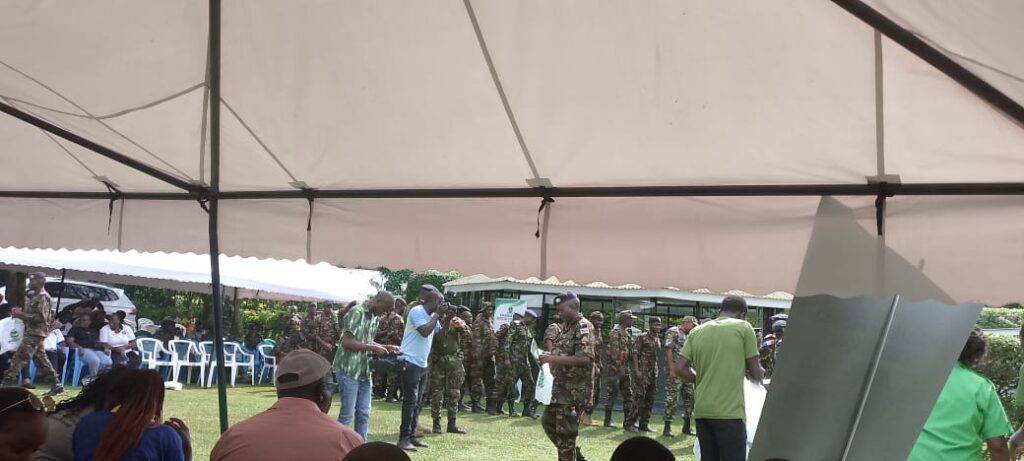
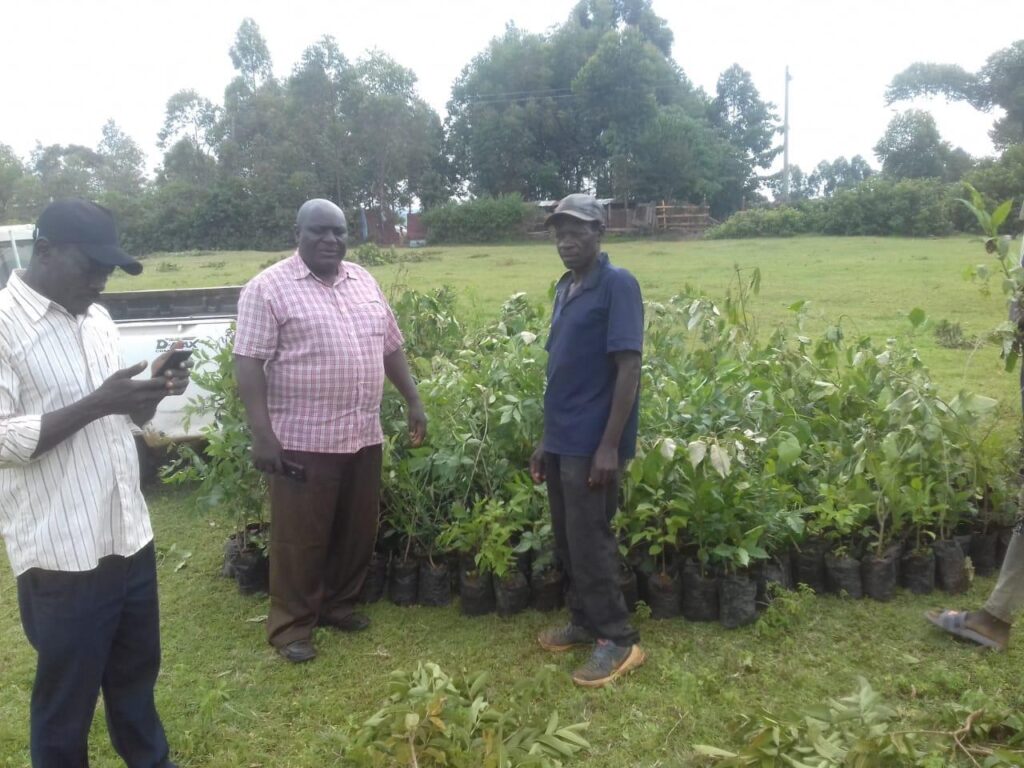
What makes these events especially powerful is the breadth of participation they inspire. Government officials, Kenya Forest Service officers, Kenya Defence Forces personnel, community elders, and parents have all stood shoulder to shoulder with St. Anne’s students during our planting days. This cross-sector mobilization reflects a truth that KFHF holds central to its work — that forest restoration is everyone’s responsibility.
The presence of KDF personnel distributing and organizing seedlings alongside schoolchildren is a striking symbol of national commitment to Kenya’s green future. The presence of local officials underscores the growing recognition that environmental action must be embedded in governance, not siloed within NGOs alone.
Why This Partnership Matters
Kakamega Forest is under real and ongoing pressure. Deforestation, agricultural encroachment, and climate change continue to threaten one of East Africa’s most biodiverse ecosystems. Every seedling planted in partnership with St. Anne’s is a statement of resistance and renewal.
But beyond the trees themselves, what KFHF and St. Anne’s are cultivating together is something harder to measure and more enduring: a generation of young Kenyans who see themselves as guardians of the forest. Children who have knelt in the soil and planted a living thing do not easily forget their relationship with the natural world.
Looking Ahead
KFHF is proud to deepen and expand our partnership with St. Anne’s Group of Schools Kiminini. We envision future programming that integrates environmental education into the curriculum, creates student-led conservation clubs, and connects young people from the Kakamega region with a wider network of forest defenders across Kenya and beyond.
To schools, organizations, and individuals who wish to join us in this work — our forest has room for more hands, more roots, and more hope.
Together, we plant. Together, we protect.